
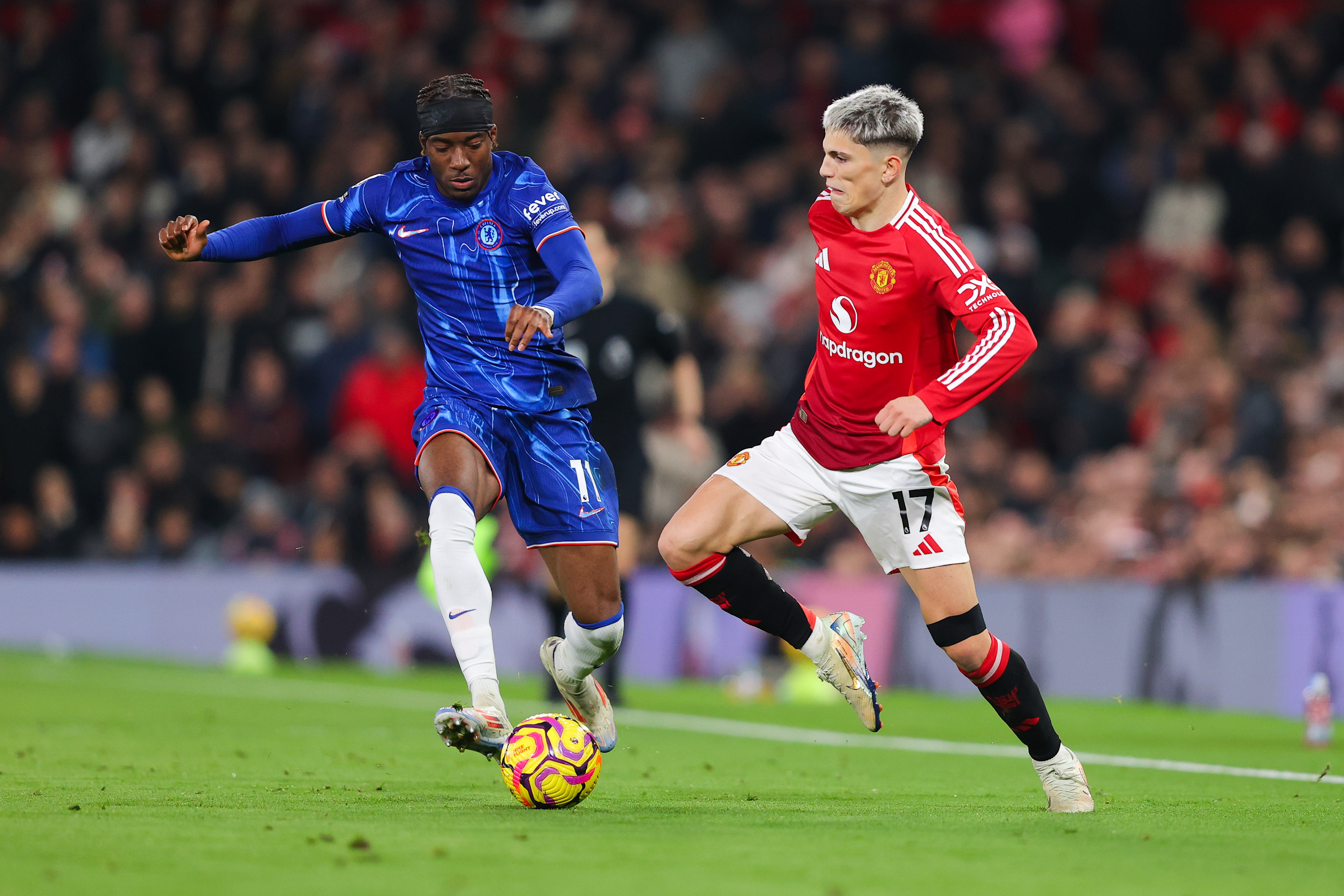
A great football weekend doesn’t happen by accident. It’s engineered—quietly, deliberately—by picking the right matches, knowing exactly when they start, and setting up your viewing so the drama lands without friction. The goal isn’t to watch everything; the goal is to watch what matters, and to understand why it matters before the first whistle.
That’s where a watch guide becomes more than a list of fixtures: it’s a method. It turns kickoff times into a workable schedule, “channels” into verifiable viewing paths, and a crowded slate into a focused set of can’t-miss games; and if you occasionally compare narratives to public expectations, you can glance at Coldbet in the middle of your planning routine without letting numbers replace your own analysis.
Kickoff times: turn a cluttered slate into a clean weekend grid
Kickoff times are the backbone of matchday planning, but they can also be the biggest source of chaos—especially when you’re dealing with multiple competitions, shifting start times, and time zone conversions. The most reliable approach is to plan in time blocks, not individual minutes.
Start by splitting your day into three windows:
- Early window: the opener(s) that set the tone
- Main window: the high-stakes centerpiece fixture(s)
- Late window: the closer(s), often more frantic as pressure peaks
Next, convert times once into your local time and commit to that view. If you keep switching between time zones, mistakes creep in. Add two small buffers: a 15-minute pre-kickoff buffer for lineups and last-minute updates, and a 10-minute post-match buffer for stoppage time and the inevitable slow conclusion.
Finally, accept that schedules are living documents. When you’re within 60 minutes of kickoff, do a quick refresh of fixture listings. This is when late changes are most likely to appear, and it’s cheaper to verify than to discover you’re 30 minutes late.
Channels and streams: a fast, legal way to confirm where to watch
Broadcast information often feels more complicated than it should, because it changes by country and by competition. The trick is to think in categories rather than brand names, and then verify with a consistent process.
Use this hierarchy:
- Official competition sources (fixtures and broadcast notes)
- Official club updates (matchday posts, preview notes, lineup graphics)
- Local listings (sports schedules in your region)
- Aggregated match guides (useful, but not authoritative)
Two rules keep you safe and efficient:
- Confirm with two sources when possible (official + listing).
- Prioritize legitimacy: if a stream looks unofficial, assume it’s unreliable—your best fallback is live text coverage, radio-style commentary, or a replay package.
If access requires sign-in, subscription, or a pay-per-event purchase, set it up before the match. Matchday stress should come from the pitch, not from password resets.
Choosing the “can’t-miss” games: stakes first, aesthetics second
A watch guide becomes valuable when it helps you decide what to prioritize. The most reliable filter is consequence—matches that materially change the table, the bracket, or the story of the season. Here are the four fixture types that consistently deliver.
1) Title-race pressure tests
A contender playing away against a stubborn opponent is rarely pretty, but it’s revealing. You learn whether the favorite can manage tempo, handle impatience, and manufacture chances without losing structure.
2) Relegation six-pointers
These are tense, jagged games where clean patterns break down. Teams protect space first, gamble second, and treat set pieces like treasure. If you want emotion and urgency, this is the most reliable category.
3) Rivalry matches and derbies
Rivalries distort normal form. The intensity increases pressing and mistakes, and discipline becomes a decisive variable. Even when the quality is uneven, the psychological charge makes these fixtures hard to ignore.
4) Cup ties, especially with rotation risk
Knockout football compresses margins: one error, one deflection, one late set piece can swing everything. Rotation adds volatility because incentives diverge—some teams chase trophies, others protect league form.
If you only have time for two matches, pair one title-race game (for tactical problem-solving) with one high-pressure survival or rivalry match (for drama and volatility). That mix usually produces the most memorable weekend.
A simple analytical lens: what to watch beyond the score
Once you’ve selected fixtures, you’ll enjoy them more if you know what signals to track. You don’t need advanced data; you need a few dependable questions.
Rest defense: When a team attacks, how many players are positioned to stop counters? If the answer is “not enough,” the match is likely to swing wildly on transitions.
Pressing triggers: What makes the press start—back passes, slow touches, wide receptions, or a particular defender receiving under pressure? Once you see the trigger, you can predict pressure waves.
Chance quality vs. chance volume: A team can shoot often and still create little. Look for cutbacks, central receptions, and shots after defensive displacement, not just long-range attempts.
Set-piece intention: Are corners and free kicks varied and rehearsed, or hopeful and repetitive? In tight games, this difference is enormous.
Game-state behavior: How does the plan change at 1–0 up, 0–1 down, or level after 70 minutes? Mature teams adjust risk without losing their structure.
These checkpoints convert a match from “events” into “reasons,” which is what makes football analysis satisfying.
Managing overlaps: how to handle simultaneous kickoffs without frustration
Overlaps are inevitable on heavy weekends, so plan for them instead of fighting them. Choose a primary match (the one you watch live, uninterrupted) and a secondary match (the one you follow via updates until it reaches a decisive phase).
A practical approach:
- Watch the first 20 minutes of your primary match to understand shape and intent.
- If the secondary match is still quiet, you’re not missing much.
- Switch attention when the secondary match hits a pressure moment: a red card, late equalizer, penalty, or a tactical shift after halftime.
- Prioritize the last 20 minutes of close matches—game-state pressure produces the most errors, risks, and breakthroughs.
If replays are available, use them strategically: full replays for your must-watch fixture, extended highlights for the rest. That keeps the weekend rich without becoming exhausting.
A repeatable weekend workflow
Here’s a compact routine that works in almost any league setup:
- Thursday night: shortlist 6–8 fixtures by stakes and narrative.
- Friday morning: lock kickoff times in your local time and build your three windows.
- Matchday, 60 minutes before kickoff: verify broadcasts and check lineup/injury notes.
- During matches: follow your analytical checkpoints (rest defense, triggers, game state).
- After matches: write one sentence per game: “What changed, and why?”
Do that consistently and your weekends become coherent. You stop chasing noise and start following the season’s real structure: pressure, adaptation, and the small decisions that decide big outcomes.
A smart matchday watch guide is ultimately a discipline. It helps you plan cleanly, watch legally, and focus your time on fixtures with genuine consequence—so when the weekend delivers a tense finish or a brilliant tactical twist, you’re already in the right place to appreciate it.
